How to get dazzling white laundry naturally?
Whites turning grey are not inevitable, and bleach is not the only answer. Here is what really works, and why.
Why whites turn grey
Three causes add up, and each one calls for a different fix. First, limescale: in hard water, it settles between the fibres and leaves that dull film no wash can remove. Next, detergent residue, when you use too much: it builds up and holds on to dirt instead of washing it away. Finally, invisible stains, sweat or sebum, which turn yellow in the heat of the tumble dryer.
Effective whitening tackles all three, not just one.
Sodium percarbonate, your best ally
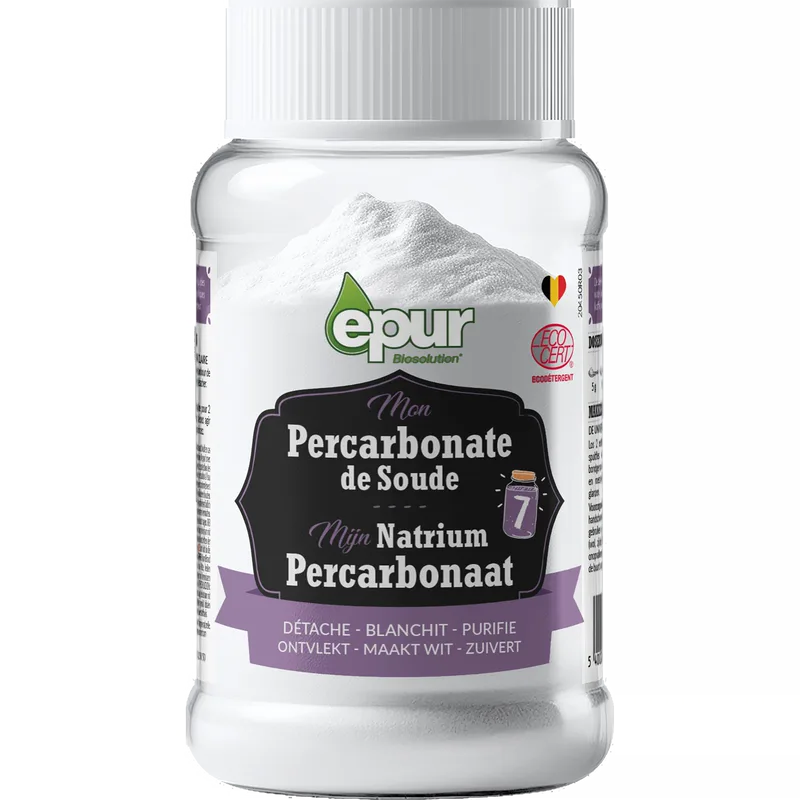
Sodium percarbonate releases active oxygen when it comes into contact with hot water. That is what lifts stains and brightens, without the harshness of bleach, which over time weakens the fibres and ends up turning cotton yellow.
Use 1 to 2 tablespoons per wash, added directly into the drum with your usual detergent. It only works from 40 °C: below that, nothing happens. This is the most common mistake.
- Slightly dull laundry: one tablespoon, 40 °C cycle.
- Very grey whites: two tablespoons, 60 °C cycle.
- Set-in stains: soak first, see below.
The soak that rescues hopeless cases
For a sheet or a shirt you thought was lost, soaking often does better than a high-temperature wash.
Fill a basin with very hot water, around 60 °C, the hottest your tap will run.
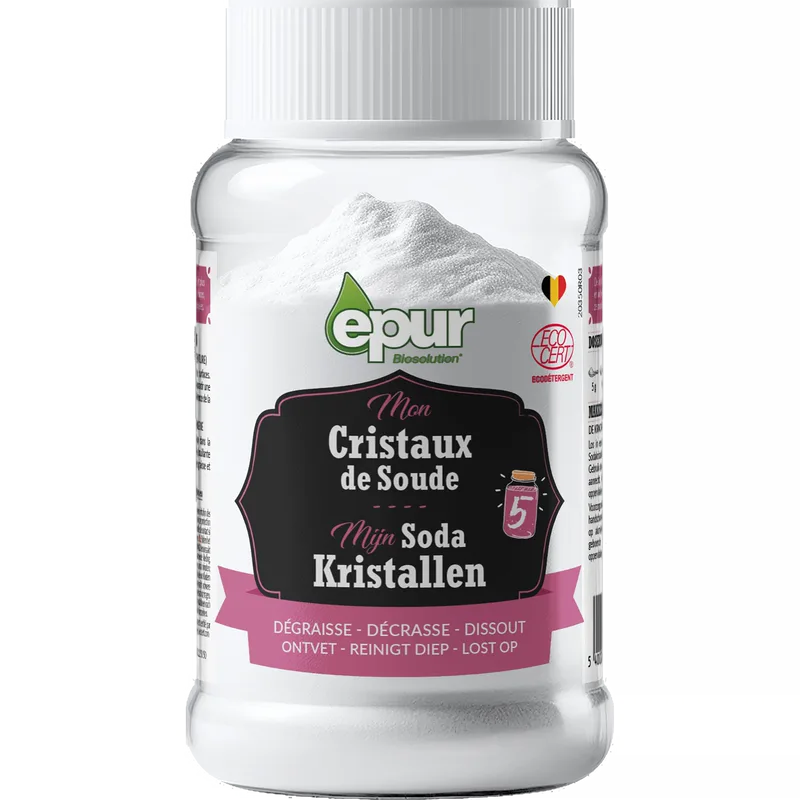
Dissolve two tablespoons of sodium percarbonate and one tablespoon of washing soda.
Leave to soak for two to four hours, then wash as normal. No need to rinse first.
The step almost nobody takes
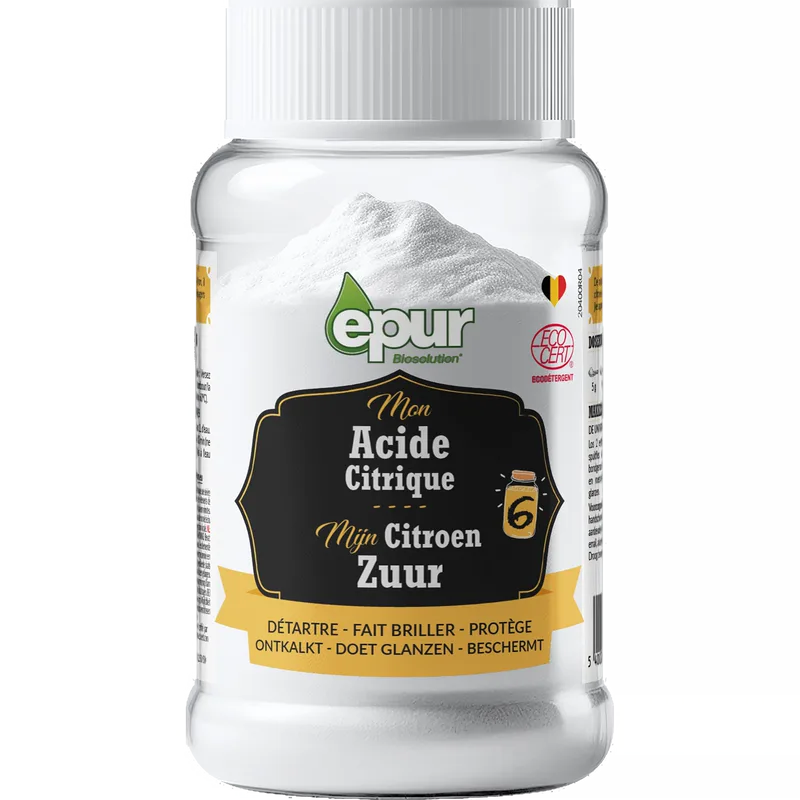
Descaling the machine. A washing machine full of limescale heats less well, rinses less well, and puts limescale back onto the laundry with every cycle. Twice a year, pour 6 to 8 tablespoons of citric acid into the drum and run an empty cycle at 60 °C minimum. Your whites will benefit more than from any miracle product.
What is best avoided
- Bleach on white cotton, as a routine. It whitens in the short term, then turns fabric yellow over time and attacks the fibres.
- Using too much detergent. It sounds counter-intuitive, but it is a major cause of greyness.
- Tumble drying laundry that is still stained. The heat sets the stain for good.
- Mixing bleach with vinegar or descaler. The mixture gives off a toxic gas. Never, under any circumstances.
And if your home has a septic tank
Sodium percarbonate, washing soda and citric acid pass through a septic tank without any problem at the doses given. Bleach, on the other hand, destroys the bacteria that make your system work. One more reason to do without it.